Glīd's Victory Signals a New Era in Freight
Why TechCrunch Disrupt chose a logistics company as its most important innovator.
By Carry & Conquer Editorial
A Win That Signals a Shift in Tech
Glīd Technologies has just pulled off one of the most compelling wins of the year, taking home the Startup Battlefield Cup at TechCrunch Disrupt 2025. For a company working on something as unglamorous—and as essential—as freight infrastructure, their victory signals a shift in what the tech world finds exciting: real innovation in the real world.
Rethinking the First Mile of Logistics
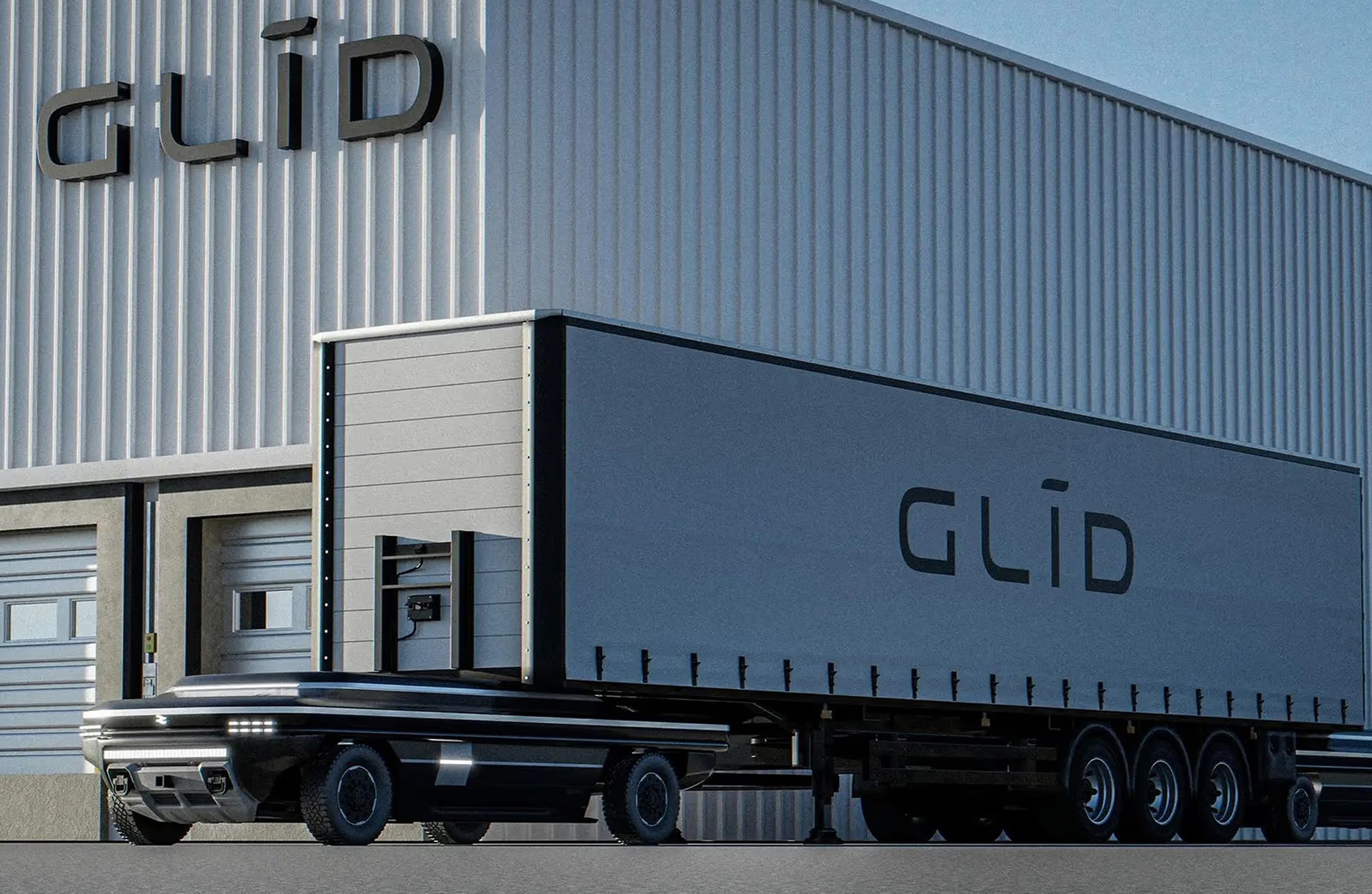
At its core, Glīd is rethinking the "first mile" of logistics, the messy, costly segment where cargo moves from ports or yards onto rail. Instead of relying on a patchwork of forklifts, cranes, hostlers, and trucks, they've designed a dual-mode vehicle—called the Glīder—that can drive on roads, glide onto rails, and autonomously carry freight without the usual bottlenecks. Layered on top of this is their orchestration platform, EZRA-1SIX, an AI system that coordinates, dispatches, and routes vehicles with safety oversight from human operators. It's a fusion of robotics and intelligence that promises to unlock underused rail infrastructure and dramatically improve efficiency.
A Standout Pitch at Disrupt
Their pitch at Disrupt resonated far beyond logistics nerds. Glīd took the stage as part of Startup Battlefield 200, a cohort carefully selected from thousands of applicants, and over the course of the competition captured the judges' attention with a vision that felt both futuristic and grounded. When they were announced as the winner—claiming the $100,000 prize and the Battlefield Cup—the message was clear: the future of supply chain innovation isn't happening in spreadsheets or dashboards; it's happening in infrastructure.
A Win Aligned With Global Priorities
What makes Glīd's win especially compelling is how aligned it is with broader global priorities. Decarbonization is no longer optional for transportation and freight. Glīd's system promises significant emissions reductions by shifting more cargo to rail, which is already far more carbon-efficient than trucking. At the same time, their automation reduces the need for heavy machinery and fuel-intensive transfer operations. Few startups can claim a technology that simultaneously cuts carbon, improves throughput, and lowers operational costs—but that's exactly the combination Glīd is putting forward.
Dual-Use Appeal That Investors Love
They're also stepping into a dual-use lane that investors increasingly find attractive. The same attributes that make autonomous rail-to-road vehicles efficient for commercial logistics make them highly adaptable for defense logistics—particularly in contested or remote environments where moving material quickly and safely can be the difference between stability and vulnerability. With a founder coming from SpaceX and military logistics leadership, the company's credibility in both arenas carries weight.
Early Momentum and Market Validation
Funding momentum supports the story. Glīd recently closed an oversubscribed $3.1 million pre-seed round and has already secured multiple letters of intent, including one valued at over $70 million. Their plan to deliver commercial units by late 2025 now looks far more realistic in the wake of their TechCrunch recognition.
The Hard Road Ahead
Of course, challenges remain. Hardware is hard, autonomy is harder, and reinventing an entire segment of freight infrastructure is not a feat won by a few prototypes and a compelling demo alone. Regulatory pathways, manufacturing scalability, and customer adoption cycles will all test the company as it moves from showcase to deployment.
Why Glīd Really Won
Yet the essence of why Glīd won at TechCrunch is simple: they are not just building a clever vehicle—they are rewriting how goods move across land. They represent a rare intersection where robotics, AI, sustainability, defense readiness, and industrial modernization fuse into a single, coherent vision.
A New Type of Tech Champion
In a tech ecosystem often driven by apps, interfaces, and ephemeral tools, Glīd stands out for tackling something physical, foundational, and consequential. Their win at TechCrunch Disrupt is more than a trophy; it's a signal that the logistics revolution has officially entered the main stage—and Glīd is positioned at its front edge.