Disrupting the Duopoly: Empower's Challenge to Uber and Lyft in New York City
A subscription-based rideshare app promises drivers 100% of fares—but faces legal battles in NYC and beyond.
By Carry and Conquer Publications
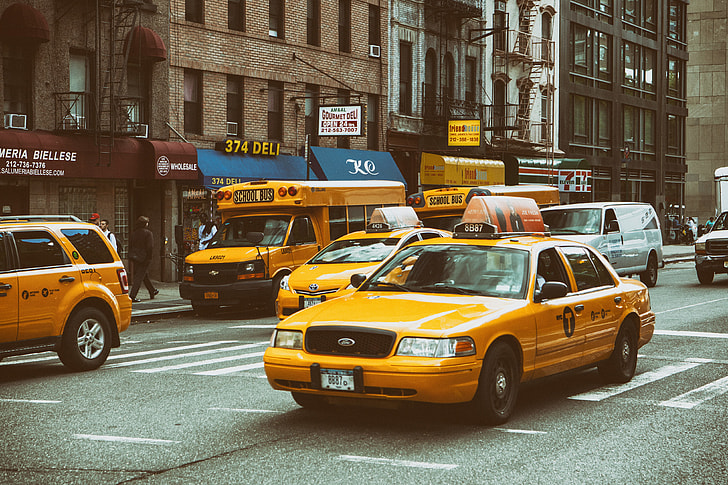
On a Monday morning in February 2026, a ride from Bushwick to SoHo during rush hour cost $28 on Empower. The same trip on Uber? $68. Lyft offered $60. For New York City riders watching their wallets and drivers watching their paychecks shrink, the math seemed simple. But Empower, the app promising this rideshare revolution, is operating in direct defiance of city regulators—a brazen move that echoes Uber's own controversial entry into markets a decade ago, except this time the disruptor is positioning itself as the champion of workers rather than Silicon Valley shareholders.
The Challenge to the Duopoly
Empower launched its offensive against the Uber-Lyft duopoly with a proposition that sounds almost too good to be true: drivers keep 100% of every fare, set their own prices, and pay just $50 per month for access to the platform. For riders, the company claims fares average 20% lower than the competition. The model has attracted thousands of TLC-licensed drivers who were already vetted by the city through Uber and Lyft, and the company says it has facilitated more than 20 million rides, serving over 500,000 riders and generating more than $325 million in driver earnings.
The business model fundamentally inverts the traditional rideshare economics. Uber and Lyft typically take 25% to 40% of each fare, a cut that has steadily increased over the years as the companies have sought profitability. Drivers, classified as independent contractors, bear all the costs of vehicle ownership, insurance, fuel, and maintenance while having no control over pricing or the terms of their work. Empower's subscription approach—treating drivers as customers rather than labor to be exploited—has struck a nerve in a market where drivers have watched their effective hourly wages decline even as passenger fares have risen.
A Platform Operating Outside the Law
The problem? Every single ride arranged through Empower is illegal under New York City law. The Taxi and Limousine Commission requires any ride-hailing platform to register as a "base"—a dispatch facility that must pay a $1,500 application fee and maintain insurance on all vehicles operating under its umbrella. Empower has refused, arguing that the regulations are designed to protect corporate platforms at the expense of individual drivers who should have the right to work for themselves.
"We're not completely averse to that idea, but we do think it's important that drivers should have the right to work for themselves," Empower CEO Joshua Sear told Gothamist in February 2026. "Every licensed professional has the ability to work for themselves and determine how much they want to charge for their own services."
The TLC has established a dedicated webpage warning New Yorkers not to use the app, noting that trips booked through unlicensed platforms aren't tracked by the city and that passengers may be "on their own if they lose property or experience issues." More pointedly, the agency warns that drivers caught using Empower face fines up to $500 and potential loss of their TLC license—and that insurance coverage for accidents during these rides is uncertain at best.
The D.C. Precedent: A CEO Threatened With Jail
New York isn't the first city where Empower has challenged regulatory authority. In Washington, D.C., the company engaged in a years-long legal battle with municipal regulators who took issue with Empower launching without approval. The conflict escalated dramatically in September 2025, when a judge found Sear in contempt of court for continuing to operate despite cease-and-desist orders. Facing the prospect of actual incarceration, Sear agreed to shut down operations in the district—a significant defeat, though the company has appealed the contempt ruling and continues to fight in court.
The D.C. showdown revealed the stakes of Empower's regulatory defiance in stark terms. Hundreds of Empower drivers rallied outside the D.C. Court of Appeals in March 2025, turning the legal dispute into a visible labor conflict. The company's resistance to obtaining the same licenses required of Uber and Lyft isn't merely a cost-saving measure; it's an ideological position that existing regulations are structured to protect corporate intermediaries rather than the workers and riders they claim to serve.
Sear has been blunt about his view of the competitive landscape, telling Gothamist he has spoken with Uber board members who view Empower as "an existential threat to their business." He added: "They are going to do everything in their power, bribe every official they can, influence anyone, pull every lever they can to stop drivers from working for themselves."
Echoes of Uber's Original Playbook
The situation carries an ironic historical weight. When Uber expanded aggressively in the early 2010s, the company routinely entered cities without regulatory approval, using its popularity with riders to pressure officials into creating new frameworks that accommodated ride-hailing. Philadelphia, Portland, and numerous other cities saw Uber launch in direct violation of existing taxi regulations, only to receive retroactive legal sanction after building sufficient user bases.
Empower is deploying the same playbook, except this time the disruptor isn't a venture-backed Silicon Valley unicorn but a company explicitly positioning itself against that entire model. The question facing New York regulators is whether they will respond the way cities did to Uber—by creating new rules to accommodate the innovation—or whether they will enforce existing law more stringently against a smaller challenger than they did against the giants who now dominate the market.
Bhairavi Desai, Executive Director of the New York Taxi Workers Alliance, which represents yellow cab, Uber, and Lyft drivers, expressed skepticism about Empower's approach. Some drivers in the union have used the app for "supplemental income," she acknowledged, but she argued Empower needs to "break into the market" through legal means. "Empower's using a bunch of fancy words to basically say that they don't want to be under rules and regulations, and it's only the drivers that should be under rules and regulations," a union representative told FOX 5 NY. "We have seen that play out before and every time the drivers end up earning poverty wages and they're left with all of the risk
What Comes Next
Empower's future in New York City may depend on the new political landscape. Mayor Zohran Mamdani, who took office in January 2026, has been a vocal advocate for rideshare driver rights, even going on a hunger strike with taxi workers to push for medallion debt relief. His administration has yet to signal how it will handle the Empower situation, though the company has publicly stated it looks forward to working with the Mamdani administration "to ensure TLC licensed drivers have the same civil rights as all other licensed professionals in New York."
The broader context is a rideshare industry under pressure from multiple directions. Insurance costs have skyrocketed, with New York officials announcing in December 2025 that rates would rise an average of 25% over the following three years. Uber and Lyft drivers in the city have reported declining effective wages despite rising passenger fares. California recently passed legislation allowing rideshare drivers to unionize—a landmark development that required the companies to negotiate over issues like deactivation policies and earnings. The ground is shifting beneath the industry's dominant players.
For now, Empower continues operating in New York City, offering rides at prices that significantly undercut the competition. Whether that continues will depend on regulatory enforcement, court decisions, and the willingness of drivers and riders to participate in an explicitly illegal marketplace. What's clear is that the company has exposed a fault line in the rideshare economy: the tension between platforms that extract value from every transaction and workers who would rather keep that value for themselves. The question is whether Empower is the beginning of a genuine alternative or another chapter in the ongoing story of gig workers searching for a sustainable model in an industry built on their exploitation.