Betting on Peptides: Inside the Fastest-Growing Biotech Vertical
From GLP-1 blockbusters to manufacturing moats, the peptide economy represents one of biotech's most compelling investment opportunities.
By Carry and Conquer Publications
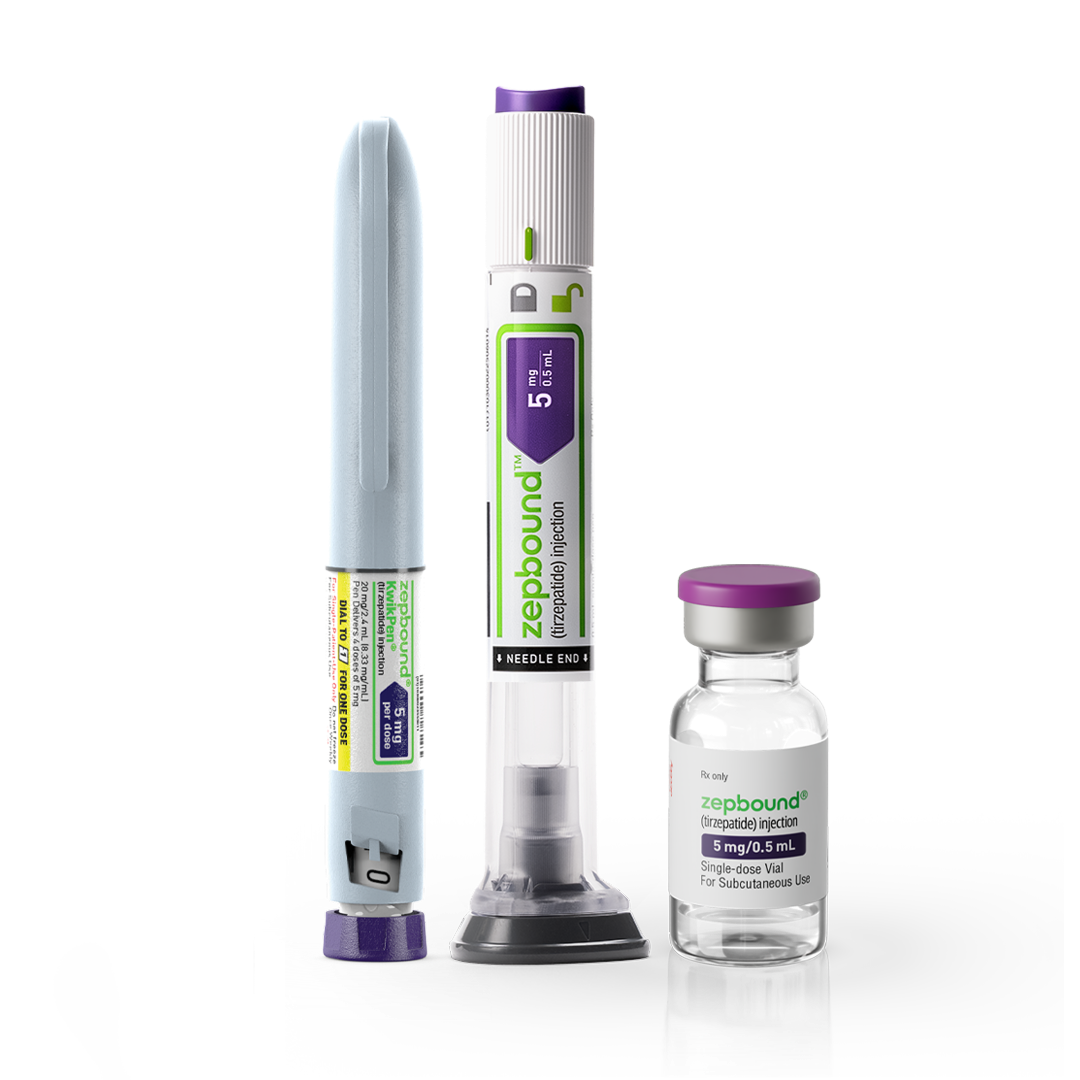
In the span of three years, peptide therapeutics have gone from a specialized corner of pharmaceutical chemistry to the most valuable real estate in all of medicine. The GLP-1 receptor agonist class—spearheaded by semaglutide (Ozempic, Wegovy) and tirzepatide (Mounjaro, Zepbound)—has fundamentally rewritten the economics of obesity and diabetes treatment, generating over $50 billion in annual revenue and minting Eli Lilly as the first pharmaceutical company to reach a $1 trillion valuation. But the peptide economy extends far beyond weight loss pens. Behind the blockbuster drugs lies a sophisticated value chain of API manufacturers, CDMOs, and emerging therapy classes that together represent one of the most compelling investment opportunities in modern biotech.
The Mechanics of a Revolution
The peptide therapeutics market operates on a deceptively simple biological principle: these short chains of amino acids can mimic naturally occurring hormones, triggering precise physiological responses with remarkable efficacy. GLP-1 receptor agonists work by activating the glucagon-like peptide-1 receptor, which regulates blood sugar, appetite, and gastric emptying. Semaglutide, Novo Nordisk's flagship molecule, achieves this through single-receptor targeting, while Eli Lilly's tirzepatide simultaneously activates both GLP-1 and GIP (glucose-dependent insulinotropic polypeptide) receptors—a dual mechanism that has proven superior in clinical head-to-head comparisons.
The clinical data is staggering. Phase 3 trials of tirzepatide demonstrated average weight loss exceeding 20% of body weight, while Lilly's next-generation triple agonist retatrutide—targeting GLP-1, GIP, and glucagon receptors—showed weight reductions approaching 29% in recent readouts. These aren't incremental improvements; they represent a paradigm shift comparable to the introduction of statins or antidepressants. The SELECT trial, the largest GLP-1 study to date with nearly 18,000 participants, found that semaglutide reduced cardiovascular events by 20% in patients with established heart disease, expanding the therapeutic rationale beyond weight management to cardiovascular protection.
The Manufacturing Moat
While the scientific breakthroughs grab headlines, the real competitive advantage in the peptide economy lies in manufacturing. Producing therapeutic-grade peptides at scale requires specialized expertise in solid-phase peptide synthesis (SPPS), purification technologies like multicolumn countercurrent solvent gradient purification (MCSGP), and stringent GMP compliance. The barriers to entry are formidable: a single commercial-scale peptide API manufacturing facility can cost upwards of $500 million and take five years to build.
Bachem AG, the Swiss-based peptide specialist, has commercialized approximately one-third of all approved peptide APIs globally, positioning it as the dominant player in contract manufacturing. PolyPeptide Group, another leader, operates GMP-certified facilities across Europe, the United States, and India, serving both innovator companies and generic manufacturers. In early 2026, CordenPharma announced a €900 million expansion of its peptide platform across the U.S. and Europe, targeting €1 billion in peptide revenue by 2028—a clear signal of the manufacturing capacity race underway.
The concentration of expertise creates both opportunities and vulnerabilities. API production for GLP-1 agonists has been concentrated among a handful of facilities, contributing to the supply shortages that plagued the market from 2022 through 2025. Eli Lilly alone has committed $27 billion to new U.S. manufacturing facilities, including sites in Texas, Alabama, Pennsylvania, and the Netherlands, specifically designed to produce next-generation peptide therapies like retatrutide and the oral GLP-1 orforglipron. The companies that control manufacturing capacity are positioned to capture margin across the value chain, whether as originators or contract partners.
The Patent Cliff and Generic Onslaught
The most significant inflection point in the peptide economy arrives in 2026. Semaglutide's core patents expire in March across India, Brazil, Canada, and China—markets representing over $6 billion in near-term generic opportunity. Indian pharmaceutical giants including Sun Pharma, Cipla, and Dr. Reddy's have been preparing for this moment, with Sun Pharma receiving DCGI approval for its generic semaglutide version in early 2026. Brazil's Superior Court denied Novo Nordisk's patent extension request, clearing the path for local generic entry.
The U.S. and European markets retain patent protection until approximately 2031-2032, but the geographic fragmentation of intellectual property creates a complex strategic landscape. Generic manufacturers entering emerging markets must still navigate secondary patents covering formulation, delivery devices, and manufacturing processes. Novo Nordisk secured 26 preliminary injunctions across European markets in October 2024, demonstrating aggressive enforcement of secondary patent estates even after core composition patents expire.
For investors, the patent cliff represents both threat and opportunity. Originators like Novo Nordisk face inevitable volume erosion in price-sensitive markets, prompting the company to project a 5-13% sales decline in 2026. But the same dynamics benefit generic manufacturers with peptide synthesis capabilities, CDMOs serving both innovator and generic clients, and emerging market distributors positioned to capture first-to-market generic launches. The companies that can navigate the regulatory complexity while scaling production efficiently will capture significant market share as generic GLP-1s proliferate.
Beyond Obesity: Expanding Therapeutic Frontiers
The peptide economy's growth extends well beyond metabolic disease. Oncology has emerged as a particularly promising frontier, with peptide-drug conjugates and radiopharmaceuticals gaining clinical momentum. AdvanCell recently announced a collaboration with 48Hour Discovery to develop a peptide-based Lead-212 radiotherapeutic for gastrointestinal cancers, reflecting the growing interest in targeted alpha therapies that leverage peptide targeting for precision oncology.
The peptide therapeutics market is projected to reach $87 billion by 2034, driven not only by GLP-1 expansion but by applications in oncology, rare diseases, and longevity medicine. While the latter category remains controversial—compounded peptides like BPC-157 and thymosin variants occupy a regulatory gray zone—the demand signals are unmistakable. Atria Health has documented the proliferation of unapproved "research peptides" marketed for anti-aging and recovery applications, highlighting both consumer demand and regulatory risk.
The investment thesis for peptides in longevity remains speculative but increasingly credible. GLP-1 receptor agonists have demonstrated benefits in reducing liver fat, improving kidney function, and potentially slowing neurodegeneration. The SELECT trial's cardiovascular findings suggest that metabolic improvement translates to systemic health benefits, opening the possibility that chronic GLP-1 therapy could become a cornerstone of preventive medicine rather than merely an obesity treatment.
The Compounding Conundrum
Perhaps no aspect of the peptide economy illustrates the tension between innovation and regulation more vividly than the compounding pharmacy controversy. During the GLP-1 shortage period from 2022 to 2025, the FDA permitted compounding pharmacies to produce semaglutide and tirzepatide under Sections 503A and 503B of the Food, Drug, and Cosmetic Act. This created a parallel market of compounded alternatives at significantly lower price points, distributed through telehealth platforms like Hims & Hers.
The regulatory reckoning has been swift. By late 2025, the FDA had declared the GLP-1 shortage resolved, stripping compounding pharmacies of their legal protection to produce copies of patented drugs. In February 2026, Novo Nordisk filed a landmark patent infringement lawsuit against Hims & Hers, accusing the telehealth company of "illegal mass compounding" and seeking to shut down its oral semaglutide offerings. The FDA simultaneously announced intent to take action against non-FDA-approved GLP-1 APIs, referring enforcement matters to the Department of Justice.
For the peptide value chain, this represents a critical inflection point. Compounding pharmacies that invested in GLP-1 synthesis capabilities now face stranded assets and legal exposure. Telehealth platforms that built subscriber bases on compounded alternatives must pivot to FDA-approved products or alternative formulations. The consolidation benefits originators and authorized distributors while eliminating a significant source of price competition—potentially accelerating the push for government price negotiations under Medicare and Medicaid expansion.
Investment Pathways and Risk Factors
The peptide economy offers multiple investment vectors, each with distinct risk-return profiles. Direct equity exposure to originators—Eli Lilly and Novo Nordisk—provides the most straightforward play on GLP-1 market growth but carries concentration risk and patent cliff exposure. Lilly's dominant position in dual and triple agonists, combined with its $27 billion manufacturing investment, positions it favorably against Novo's struggling next-generation pipeline, which suffered a significant setback when CagriSema failed to match Zepbound's efficacy in head-to-head trials.
Mid-cap and small-cap biotech companies offer higher-risk, higher-reward exposure to next-generation mechanisms. Viking Therapeutics has garnered significant attention for VK2735, an oral GLP-1 candidate with promising early-stage data, while Amgen's AMG-133 represents a novel antibody-peptide conjugate approach. Roche's recent acquisition of Carmot Therapeutics yielded CT-388, a dual GLP-1/GIP agonist showing 22.5% weight loss in Phase 2 trials, validating the strategy of acquiring de-risked assets rather than developing internally.
The CDMO and API manufacturing layer offers a picks-and-shovels approach that captures value regardless of which specific molecules succeed. Bachem, PolyPeptide, and contract manufacturers serving the peptide space benefit from volume growth across the entire therapeutic class. The same expertise that produces semaglutide can manufacture next-generation peptides, biosimilars, and peptide-drug conjugates, providing revenue diversification and relative insulation from individual product failures.
Supply chain vulnerabilities remain a significant risk factor. The peptide API supply chain spans raw material sourcing, protected amino acid precursors, synthesis facilities, purification equipment, and sterile filling operations. Geopolitical tensions—particularly between the U.S. and China, which accounts for half of all global biopharma licensing deals by dollar value—could disrupt access to critical precursors or manufacturing capacity. Cold chain logistics for injectable peptides add another layer of complexity, particularly in emerging markets where infrastructure may be limited.
Where Alpha Accumulates
The most compelling opportunities in the peptide economy lie at the intersection of scientific innovation, manufacturing scale, and intellectual property durability. Eli Lilly's integrated model—combining best-in-class molecules with massive manufacturing capacity—represents the premium positioning in the space. The company's first-mover advantage in dual and triple agonists, coupled with its oral GLP-1 pipeline, creates a multi-year runway even as generic competition emerges in semaglutide.
CDMOs with peptide expertise offer asymmetric upside: they benefit from volume growth across the entire therapeutic class while facing limited competition due to high barriers to entry. The €900 million investment by CordenPharma signals confidence in sustained demand that extends beyond current GLP-1 blockbusters to include peptide-drug conjugates, radiopharmaceuticals, and next-generation metabolic therapies.
Generic manufacturers in emerging markets represent a time-sensitive opportunity tied to the 2026 patent cliff. Companies with established peptide synthesis capabilities and regulatory approvals in India, Brazil, and China can capture first-to-market positions in price-sensitive segments where originators have struggled to establish presence. The challenge lies in execution: manufacturing quality, regulatory navigation, and distribution infrastructure will determine which players capture lasting market share versus short-term arbitrage.
The peptide economy has already minted one trillion-dollar company. Whether it produces a second depends on the ability of competitors to match Lilly's integration of scientific leadership, manufacturing scale, and commercial execution. For investors willing to parse the complexity, the opportunity extends well beyond a single molecule or company—it encompasses an entire therapeutic modality that is reshaping the pharmaceutical industry's largest addressable markets.