A French PE Firm Is Quietly Assembling Germany's Bakery-Cafe Market One Chain at a Time
Argos Wityu has spent two years buying its way to the top of a market nobody thought could be consolidated.
By Carry and Conquer Publications
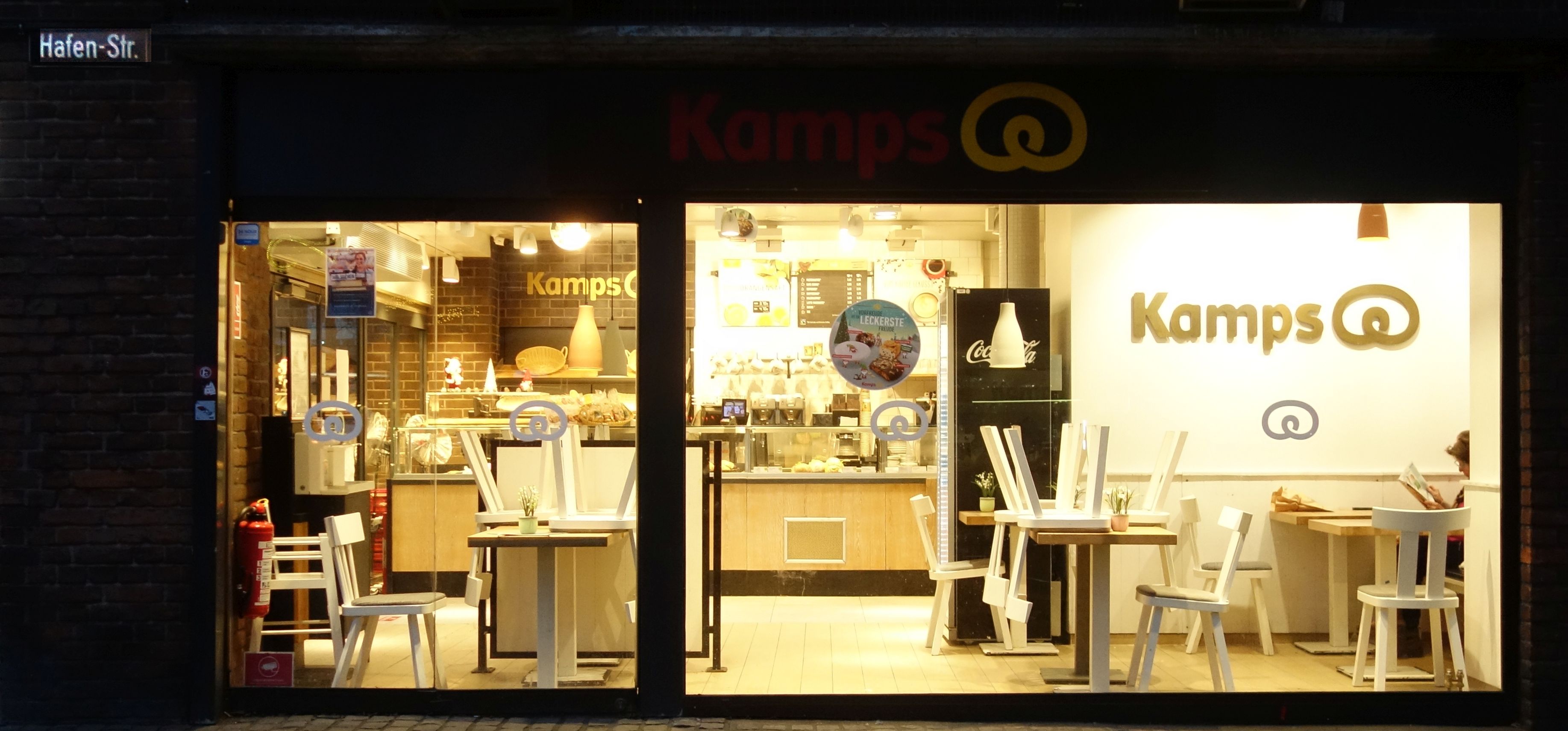
In a country with roughly 9,000 independent bakeries and a culture built around the neighborhood Backerei, a European private equity firm has assembled a national bakery group with more than 400 locations in the span of two acquisitions. The strategy is not subtle. It is organic growth plus targeted acquisitions, stated plainly in every press release, applied to a category that has resisted exactly this kind of financial sponsor rollup for decades. What makes it worth watching closely is that the thesis is still being written in real time, deal by deal, rather than something to be read about after the fact.
The Second Deal in Two Years
The pattern started in 2024, when Argos Wityu acquired a majority stake in Karl Schmidt GmbH, the operator behind the Backerei Schmidt brand. Founded in 1891 and run by fourth generation baker Karl Schmidt, the company then had 73 branches across North Rhine-Westphalia and Lower Saxony. The sellers were funds advised by Odewald KMU, which exited the business entirely, while managing director Martin Manski increased his own stake and stayed on to run daily operations. Argos said at the time it planned to double the branch count within five years through a mix of organic expansion and additional brand acquisitions.
It did not take five years for the next move. By March 2026, Backerei Schmidt had grown organically and through add-on deals to roughly 90 locations, and Argos signed an agreement with Groupe Le Duff to acquire Kamps, one of the best known bakery brands in Germany. Kamps runs 340 outlets across Germany and the Netherlands, drawing about 3.5 million customer visits a month, with 98 percent of those shops operated by 240 independent franchise partners. Folding Kamps into the platform created a combined group of more than 400 locations nationwide, run under a new holding structure called Artos Bakery Group. Rainer Derix, the Argos partner who led the deal, called the Kamps acquisition "a key milestone in the execution of our strategy" and said the firm intends to "play an active role in the German bakery market."
A Fragmented Category Built for Roll-Ups
The bet only makes sense against the backdrop of just how scattered German bakery ownership still is. According to figures Argos itself cites from the Central Association of the German Bakery Trade, the number of bakery businesses in the country fell from 11,737 to 9,242 between 2016 and 2023, even as sector revenue climbed from 14.3 billion euros to 17.5 billion euros over the same stretch. That combination, fewer operators doing more revenue, is the textbook signature of a category ripe for consolidation: rising costs and labor shortages are pushing small, family-run shops to sell, while the category itself keeps growing in value.
Germany's craft baking union, the NGG, has tracked the same shift from the labor side. Union analysis points to a roughly 30 percent drop in traditional bakery numbers over the past decade, a loss of around 20,000 jobs, alongside a documented shortage of apprentices willing to enter a trade built on overnight shifts. Independent shops are aging out and closing at the exact moment private capital is arriving with the balance sheet to buy them.
A Brand That Has Changed Owners Repeatedly
Kamps itself is a case study in how often ownership can turn over in this category without the brand losing its identity. Heiner Kamps founded the company in Dusseldorf in 1982 and built it into what was briefly billed as Europe's largest bakery group before selling to Borden in 1992, buying it back, taking it public in 1998, and eventually selling to Italian pasta maker Barilla in 2002 for roughly 1.8 billion euros. Barilla later shed the retail bakery arm to investment group ECM in 2010, ECM sold to French conglomerate Groupe Le Duff in 2015, and Le Duff held the brand for almost exactly ten years before selling to Argos. The company Argos is now betting on has already survived a founder buyout, a public listing, an Italian food conglomerate, a German private equity fund, and a French restaurant group, all while keeping the Kamps name on the door.
The Playbook Underneath the Press Releases
Argos is explicit that the strategy has three legs: organic growth, store expansion, and targeted add-on acquisitions, executed under a shared group structure while leaving each brand's management and regional identity intact. Backerei Schmidt keeps its own leadership under Manski, Kamps keeps managing director Katharina Keil in place, and both report into a new Group CEO, Marc Kranz, a food service veteran whose background includes running the Food Service division at Valora Group and leading a traditional German bakery chain. The logic is that a shared back office, on procurement, logistics, recruitment, and digitalization, can lower costs across brands that keep their separate storefronts and separate regional loyalty. It is the same structure private equity has used to roll up dental clinics, veterinary practices, and auto repair shops elsewhere in Europe, applied here to a category most owners assumed was too local and too fragmented to standardize.
Argos Isn't the Only Sponsor at the Table
Argos is the furthest along, but it is not alone in spotting the opportunity. FSN Capital invested in Backer Gortz in 2022, a family-owned, Rhine-Neckar-region chain with around 200 branches and 130 million euros in revenue that had already grown at a 14 percent compound annual rate since 2006, explicitly citing the same fragmented, 15-billion-euro German bakery market and the same organic-growth-plus-add-on-acquisitions formula. That deal has stayed regional rather than expanding into a national, multi-brand platform the way Argos has, which is what makes the Artos structure the more advanced version of the thesis rather than the only one being tested.
What Happens Next
Argos manages roughly 2 billion euros in assets across its mid-market and climate funds and typically writes equity checks between 10 million and 100 million euros, which leaves plenty of room under the Artos umbrella for further add-ons before the fund needs to think about an exit. The open questions are the ones that matter for the roll-up thesis generally: whether a shared logistics and procurement backbone actually lowers costs without eroding the regional identity that made brands like Schmidt and Kamps valuable in the first place, and whether Germany's tens of thousands of remaining independent bakeries keep selling at a pace that lets Artos, or a rival sponsor, reach true national scale before the window closes. For now, the deal-by-deal record is the clearest evidence available, and it currently reads: two acquisitions, one holding company, and a stated intention to keep buying.